Of course! Here is a comprehensive English travel guide for Beijing, designed to help you plan an unforgettable trip. It covers everything from must-see attractions and food to practical tips for transportation and accommodation.

Beijing Travel Guide: Your Ultimate Itinerary
Welcome to Beijing, the magnificent capital of China, where ancient history meets hyper-modernity. This city, with its grand palaces, sprawling hutongs (narrow alleys), and world-class cuisine, offers an experience unlike any other. This guide will help you navigate its wonders.
Table of Contents
- Top Attractions & Sights
- A Sample 5-Day Itinerary
- Beijing Cuisine: What to Eat & Where
- Accommodation: Where to Stay
- Getting Around Beijing
- Essential Travel Tips
- Frequently Asked Questions (FAQs)
Top Attractions & Sights
Beijing's attractions can be broadly divided into historical sites and modern marvels.
Historical & Cultural Wonders
-
The Great Wall of China (长城)
- Why Go: A UNESCO World Heritage site and an absolute must-do. It's not a single wall but a series of fortifications stretching thousands of kilometers.
- Which Section to Visit?
- Badaling (八达岭): The most famous and well-restored section. Very popular and can get extremely crowded. Best for first-time visitors or those with limited time.
- Mutianyu (慕田峪): A great alternative to Badaling. It's less crowded, offers stunning scenery, and has a convenient cable car and chairlift. Highly recommended.
- Jinshanling (金山岭) & Simatai (司马台): For the more adventurous hiker. These sections are more rugged, less restored, and offer a more authentic and challenging experience. Simatai is famous for its night tours.
- Tip: Wear comfortable shoes and bring water. Allow at least a full day for your visit.
-
The Forbidden City (故宫)
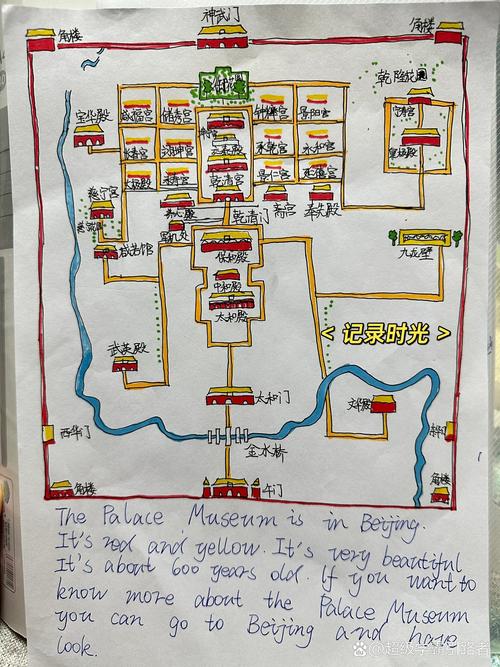 (图片来源网络,侵删)
- Why Go: Also known as the Palace Museum, this was the imperial palace for 24 emperors during the Ming and Qing dynasties. It's a vast complex of palaces, courtyards, and treasures.
- Tip: Book tickets online in advance, especially during peak season. It's enormous, so wear comfortable shoes and consider hiring an audio guide. Start early to beat the crowds.
-
Tiananmen Square (天安门广场)
- Why Go: One of the largest public squares in the world. It's a site of immense historical and political significance. You can see the Monument to the People's Heroes and the Mausoleum of Mao Zedong (requires a separate ticket and entry is strict).
- Tip: It's a vast, open space with little shade. Bring a hat and water. Security is high, so be prepared for bag checks.
-
Temple of Heaven (天坛)
- Why Go: A complex of religious buildings where emperors of the Ming and Qing dynasties performed annual ceremonies to pray for good harvests. The architecture is stunning, and it's a wonderful place to see locals practicing tai chi, singing, and playing chess.
- Tip: Visit in the morning to experience the park's lively atmosphere with local residents.
-
Summer Palace (颐和园)
- Why Go: A vast ensemble of lakes, gardens, and palaces. It was a royal retreat for emperors to escape the summer heat. The Marble Boat and the Long Corridor are particularly famous.
- Tip: It's very large. Rent a boat on Kunming Lake for a different perspective.
-
Hutongs (胡同)
- Why Go: These are ancient, narrow alleyways and courtyard residences that form the heart of old Beijing. They offer a glimpse into a more traditional, slower-paced way of life.
- Where to Go:
- Nanluoguxiang: A trendy, commercialized hutong filled with shops, cafes, and street food. Great for young people.
- Qianmen & Dashilar: A historic area with restored shops and traditional architecture.
- Beihai Park Area: Explore the hutongs around the lake for a more authentic feel.
Modern & Vibrant Areas
-
798 Art District (798艺术区)
- Why Go: A thriving hub for contemporary art, housed in decommissioned military factory buildings. It's filled with galleries, design shops, trendy cafes, and unique public art installations.
- Tip: Perfect for a half-day visit. Great for photos.
-
Olympic Park (奥林匹克公园)
- Why Go: See the iconic architecture of the 2008 Beijing Olympics. The main highlights are the Bird's Nest (National Stadium) and the Water Cube (National Aquatics Center).
- Tip: The buildings are spectacular at night when they are illuminated.
A Sample 5-Day Itinerary
This is a balanced itinerary covering major sights without being too rushed.
-
Day 1: The Imperial Heart
- Morning: Start at Tiananmen Square, then enter the Forbidden City (allow 3-4 hours).
- Afternoon: Walk through Jingshan Park (just north of the Forbidden City) for a panoramic view of the palace. Explore the Wangfujing area for shopping and snacks.
- Evening: Enjoy a Peking Duck dinner at a famous restaurant like Quanjude or Dadong.
-
Day 2: The Great Wall Adventure
- Full Day: Dedicate the entire day to the Great Wall. Mutianyu is a great choice. Take the cable car up, hike a section, and come down the chairlift for a fun ride. Have lunch at a local restaurant near the wall.
-
Day 3: Temple of Heaven & Summer Elegance
- Morning: Visit the Temple of Heaven to see the locals and the beautiful architecture.
- Afternoon: Head to the Summer Palace. Stroll along the Long Corridor, take a boat on Kunming Lake, and explore the Marble Boat.
- Evening: Relax in a traditional Hutong. You can take a rickshaw ride through Qianmen or explore the bars and restaurants in Nanluoguxiang.
-
Day 4: Art, Parks, and Modernity
- Morning: Explore the 798 Art District for a dose of contemporary culture.
- Afternoon: Visit Beihai Park, one of the oldest and best-preserved imperial gardens in China. You can rent a paddle boat on the lake.
- Evening: Head to the Olympic Park to see the Bird's Nest and Water Cube lit up at night.
-
Day 5: Last-Minute Shopping & Departure
- Morning: Do some last-minute souvenir shopping at places like the Silk Market (for bargaining) or the more upscale China World Mall.
- Afternoon: Depending on your flight time, you could visit a smaller site like the Lama Temple (Yonghegong) or enjoy a final cup of tea at a traditional teahouse before heading to the airport.
Beijing Cuisine: What to Eat & Where
Beijing's food is a highlight of any trip.
-
Peking Duck (北京烤鸭): The most famous dish. Crispy skin, tender meat, served with thin pancakes, scallions, and cucumber sauce.
- Where to try: Quanjude (全聚德), Dadong (大董), Siji Minfu (四季民福).
-
Zhajiangmian (炸酱面): Noodles topped with a savory fermented soybean paste ("zhajiang") and julienned vegetables.
- Where to try: Local noodle shops are best. Look for small, crowded restaurants.
-
Lamian (拉面 / Hand-pulled Noodles): Watch as chefs stretch and pull the dough by hand to create long, chewy noodles.
- Where to try: Lamian Laoma (拉面老马) is a popular chain.
-
Jianbing (煎饼): A savory Chinese crepe, often called "Chinese-style crepe" or "Beijing's breakfast." It's crispy, filled with egg, scallions, and a choice of sauces.
- Where to try: Street vendors, especially near universities and subway stations.
-
Hot Pot (火锅): A communal meal where you cook raw ingredients in a simmering pot of broth at the center of the table.
- Where to try: Haidilao (海底捞) is famous for its excellent service. Xiabu Xiabu (呷哺呷哺) is a more affordable, self-service option.
-
Street Food: Don't miss the Snack Street (Fangzhuang Jie) in Wangfujing, where you can try scorpions, starfish, and other insects on a stick (if you're brave!).
Accommodation: Where to Stay
-
Dongcheng District (东城区): The best location if you want to be near the Forbidden City, Tiananmen Square, and the Temple of Heaven. It's the historic heart of the city.
- Pros: Central, easy to access major sights.
- Cons: Can be more expensive.
-
Xicheng District (西城区): Adjacent to Dongcheng. Also very central and upscale. Great for accessing the Summer Palace and Beihai Park.
-
Haidian District (海淀区): Home to Beijing University and Tsinghua University. It's more of a student/tech area. A good base if you plan to visit the Great Wall at Badaling (it's in this direction).
- Pros: More affordable, lively atmosphere.
- Cons: Further from the main central attractions.
-
Chaoyang District (朝阳区): The modern, international center of Beijing. Home to the CBD, embassies, and the 798 Art District.
- Pros: Modern amenities, great nightlife, international restaurants.
- Cons: Further from historical sites.
-
Accommodation Types:
- Luxury Hotels: The Peninsula, Aman at Summer Palace, St. Regis Beijing.
- Boutique Hotels: Many stylish options in the hutongs.
- Hostels: A great way to meet other travelers, especially in the Haidian and near the 798 area.
- Hutong Stays: For a truly authentic experience, consider renting a traditional courtyard home.
Getting Around Beijing
- Beijing Subway (地铁): The best way to get around. It's clean, efficient, incredibly cheap, and covers most major tourist attractions. Get a TransCard or use WeChat Pay / Alipay to tap in and out.
- Didi (China's Uber): The most convenient way to get a taxi or private car. Download the app, link your payment method, and you're good to go. It's often cheaper than hailing a cab on the street.
- Bicycle: Bike-sharing is very popular. You can rent shared bikes (Mobike, HelloBike) using apps. It's a fun way to explore hutongs.
- Walking: The best way to experience the hutongs and some central areas.
- Bus: An extensive network, but can be difficult for non-Chinese speakers due to the language barrier on signs and announcements.
Essential Travel Tips
- Best Time to Visit:
- Spring (April-May): Pleasant weather and beautiful blossoms.
- Autumn (September-October): Clear skies and comfortable temperatures. This is widely considered the best season.
- Avoid: Summer (June-August) is hot and humid, and winter (November-February) is very cold, though the city looks beautiful with a light dusting of snow.
- Visa: Most foreign nationals will need a visa to enter China. Apply well in advance at your nearest Chinese embassy or consulate.
- Internet Access: The Great Firewall blocks Google (including Gmail, Maps), Facebook, Instagram, WhatsApp, and many other Western sites.
- Solution: Use a VPN (Virtual Private Network) before you arrive. Download and set it up beforehand.
- Apps to Download: WeChat (for messaging, payments, and maps), Alipay (for payments), Didi (for taxis), and a Chinese map app like Baidu Maps or Amap (AutoNavi).
- Cash vs. Cards: Mobile payments (WeChat/Alipay) are king in China. However, it's wise to carry some Chinese Yuan (RMB) in cash for small vendors, street food, or situations where cards aren't accepted.
- Language: While English is spoken in major hotels and tourist sites, it's not widely spoken on the streets. Download a translation app (like Google Translate, which works with a VPN) and have your hotel's name and address written in Chinese.
- Tipping: Tipping is not a common practice in mainland China and is not expected.
Frequently Asked Questions (FAQs)
-
Q: Do I need to speak Chinese?
A: Not necessarily. In tourist areas, you can get by with English. However, learning a few basic phrases like "nǐ hǎo" (hello), "xiè xiè" (thank you), and "duō shǎo qián" (how much?) is very appreciated. A translation app is essential.
-
Q: Is Beijing safe for tourists?
A: Beijing is generally a very safe city with low crime rates. However, be aware of petty theft in crowded areas like the subway and tourist spots. Keep your valuables secure.
-
Q: Can I use my credit card everywhere?
A: Major hotels, restaurants, and shops accept international credit cards (Visa, Mastercard). However, for small shops, street vendors, and even some smaller restaurants, cash or mobile payment is required.
-
Q: How much should I budget per day?
- A: This varies greatly.
- Budget: $30-50 USD (hostel, street food, subway).
- Mid-range: $80-150 USD (3-star hotel, nice meals, some taxis).
- Luxury: $200+ USD (5-star hotel, fine dining, private tours).
- A: This varies greatly.
Enjoy your incredible journey to Beijing
标签: 北京英文旅游攻略实用信息 北京英文旅游攻略必看贴士 北京英文旅游攻略出行指南